
 By admin-codelyx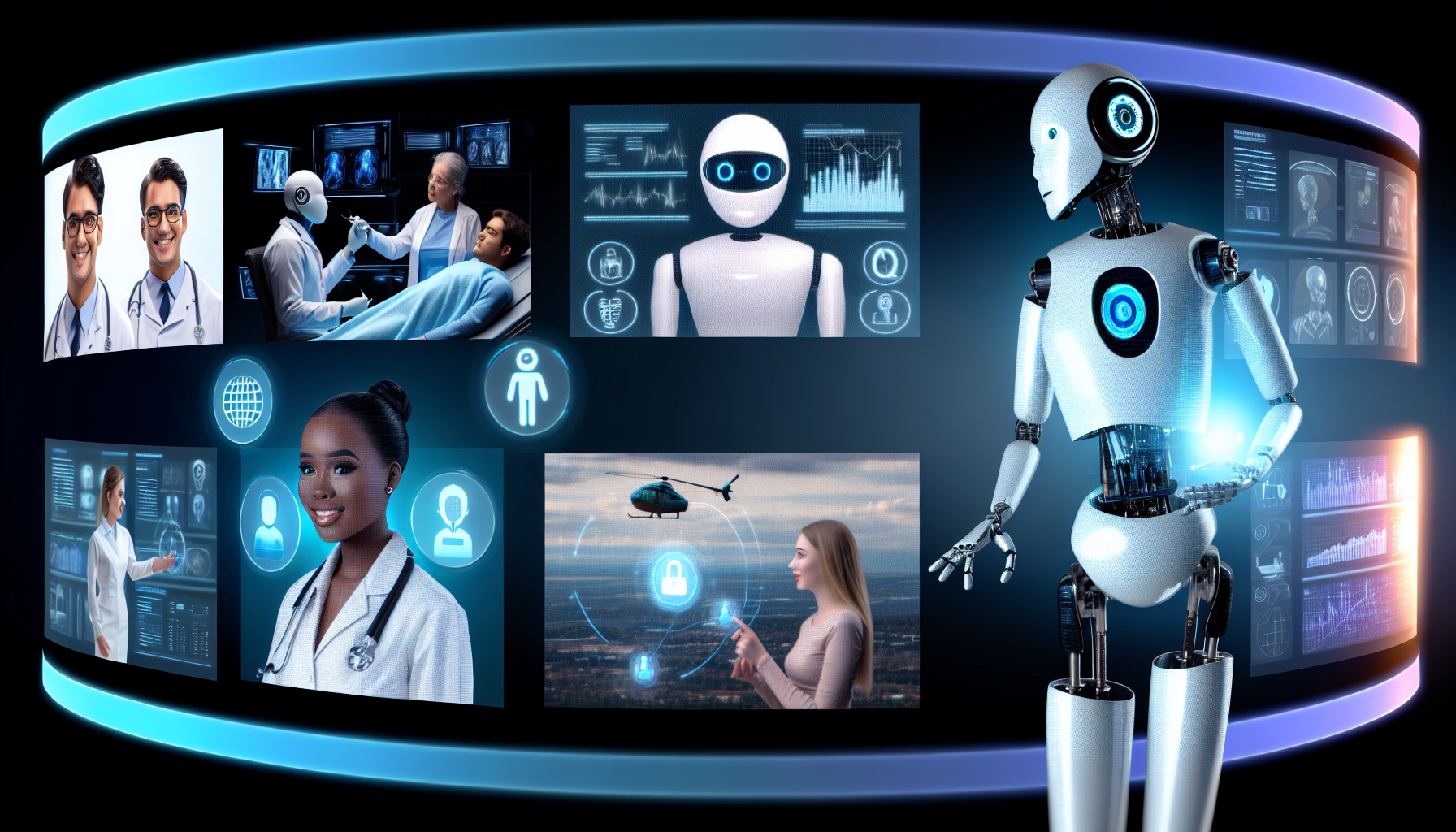
Artificial Intelligence (AI) is revolutionizing the way we work. Automation and AI agents are not just futuristic concepts—they are here today, streamlining operations across various sectors. This article delves into how AI agents drive efficiency and innovation.
Understanding AI Automation
Understanding AI Automation
AI Automation is transforming how industries work today. But what does AI Automation really mean? In simple words, it means using artificial intelligence technologies to perform tasks that humans usually do.
In many workplaces, AI systems are now helping with tasks. For example, computers can not only sort emails but also decide which ones need immediate attention. This means tasks are done faster. Moreover, AI can handle lots of data, doing so with more accuracy than humans ever could. This efficiency improves workflows and makes processes smoother.
The Role of AI in Daily Operations
AI agents are common in our daily lives. For example, chatbots help answer customer questions online. Additionally, AI helps predict when machines in factories might fail. This is known as predictive maintenance. Another example is in marketing, where AI suggests products based on what you like to buy.
However, the role of AI doesn’t stop there. These technologies continue improving, finding more ways to help people in jobs every day. This makes work both faster and easier.
Key Benefits of Automated Systems
There are many benefits to using AI Automation & Agents in businesses. First, there are savings. As a result, companies spend less on labor because AI can do some of the work. Second, AI assists in decision-making, providing useful information from large amounts of data.
To start using AI in your business, follow these steps:
1. **Identify Tasks**: Look for tasks AI can perform better than humans.
2. **Research Options**: Find the right AI tools or agents for those tasks.
3. **Implement Carefully**: Start small and measure the results.
According to a study by McKinsey & Company, businesses with AI see up to a 40% increase in productivity. Therefore, using AI not only saves money but also boosts performance.
Moreover, the future promises more exciting developments in AI Automation & Agents. As we move to the next chapter, we’ll explore AI agents and their capabilities, further uncovering this fascinating world.инэ
AI Agents and Their Capabilities
AI Agents and Their Capabilities
AI agents are taking over the world—not like in the movies, but in how they help us. These aren’t physical robots. Instead, they are software programs. They perform tasks by themselves and make our lives easier. There are many types of AI agents. Chatbots, for example, answer questions on websites. Virtual assistants, like Siri and Alexa, help us throughout the day. Moreover, some agents handle more complex tasks, like analyzing data to find patterns.
Advancements in AI Agent Technology
Recently, AI agents have become smarter. Machine learning and natural language processing are two areas driving this change. As a result, AI agents can now understand and respond like humans. For example, they can learn from past interactions to improve their responses. Additionally, they can process large amounts of data quickly. This helps them make better decisions. Furthermore, new advancements make them more reliable and accurate in their tasks.
Real-World Applications of AI Agents
AI agents are used in many industries today. In healthcare, they help doctors diagnose illnesses by analyzing symptoms quickly. In finance, they manage huge amounts of data to detect fraud. This saves time and keeps information secure. Additionally, in transportation, AI agents optimize routes for deliveries. This increases efficiency and reduces fuel consumption.
[Image: AI agents in various industry applications]
For companies looking to adopt AI agents, start small. Begin by identifying tasks that could benefit from automation. For example, consider using chatbots for customer service. Many companies have already taken this step. Revolutionizing Customer Service: The Rise of AI Call Agents explains more. Additionally, training your team to work alongside AI agents is crucial. This ensures a smooth transition and maximizes efficiency.
Furthermore, partnering with experts ensures the development of reliable AI agents. Forbes highlights innovative trends in AI that could inspire your AI plans.
In conclusion, AI Automation & Agents have immense potential. They are changing the way industries operate. As AI continues to evolve, the possibilities are endless. This sets the stage for the next chapter on challenges and ethical considerations.
Challenges and Ethical Considerations
**Challenges and Ethical Considerations**
Artificial intelligence (AI) is changing our world in many ways. It can make tasks faster and easier. However, AI automation and agents bring some challenges and ethical questions we must consider.
Addressing AI Bias and Accountability
AI makes decisions by learning from data. But sometimes data can be biased. This means the AI might make unfair choices. For example, if a company uses AI to hire people, and the data is biased, some qualified people might not get a fair chance. It’s important to have responsible AI development to solve this problem. Developers need to check AI systems for bias and correct any unfairness.
Moreover, we must hold AI systems accountable. This means understanding who is responsible if something goes wrong. If an AI makes a bad decision, we should know who to ask for help or answers. AI should not be a black box that nobody understands.
For more information on tackling AI bias, check out this informative source from NIST.
Navigating Employment Changes
AI automation affects jobs too. Machines can now do tasks people used to do. This might lead to job displacement. When some jobs disappear, people need to learn new skills.
However, AI also creates new opportunities. Workers can get training for jobs that need human creativity and problem-solving. It’s essential to prepare the workforce for this change. Schools and companies must help by offering training programs.
For businesses, there are ways to ensure ethical practice when using AI. Here is a list of strategies:
1. **Be transparent** about using AI in decision-making.
2. **Ensuring fairness** by regularly checking AI systems for biases.
3. Offer clear communication channels for concerns or questions regarding AI processes.
These steps can ease the worries about AI-led changes in the workplace.
**Actionable Strategies for Ethical AI Practice**
Companies should adopt actionable strategies for ethical AI use. First, they can form teams to monitor AI activities. Second, they can include diverse voices when developing AI systems. This can help reduce bias and ensure the AI helps everyone fairly.
Additionally, businesses should always have human oversight for AI decisions. This ensures that AI technology is not making all decisions alone. Such efforts can protect privacy and provide security in AI technologies.
You can find more information and strategies on how AI automation impacts customer service in this related blog post.
As a result, addressing these challenges now can create a better future. We must ensure AI helps everyone equally and responsibly. This way, we can move confidently into the next era, discussing the exciting future of AI automation.

The Future of AI Automation
The Future of AI Automation
The world of AI Automation & Agents is constantly evolving. Experts believe exciting changes are coming soon. AI is becoming smarter and more useful in our daily lives. Imagine computers and robots making decisions all by themselves! It may sound like science fiction, but it’s becoming a reality.
Emerging Trends in AI Technology
AI is getting better every day. For example, machines now understand people’s voices and what they like. This is called personalization. It helps computers give better recommendations on websites or apps.
Additionally, user interfaces are getting friendlier. This means we will find it even easier to talk to machines in the future. As a result, it will feel like having a conversation with another person.
Moreover, AI is learning to make its own decisions. This is known as autonomous decision-making. Imagine self-driving cars! They are a fun example of this technology. This trend is changing how different industries operate and promises to make everything more efficient.
Preparing for an AI-Powered Tomorrow
To stay ahead, both businesses and people should prepare for these changes. A good way to start is by embracing continuous learning. For example, taking courses about AI can be very helpful. People can also learn new skills that work well with AI technologies, like coding or data analysis.
Furthermore, businesses should adapt to new ways of operating. They can invest in new technologies and train their employees to use AI tools effectively. A strong strategy can help them stay competitive.
Moreover, exploring resources such as this descriptive anchor text can lead to valuable insights, and keeping an eye on industry leaders’ positions can provide guidance. Organizations can learn more through studies like this one from the World Economic Forum to remain informed.
In conclusion, the future of AI Automation & Agents looks bright and exciting. By planning ahead, both businesses and individuals can thrive in this ever-changing landscape. Now, let’s dive deeper into understanding how AI agents are changing customer service in the next chapter!
Conclusions
AI Automation & Agents are becoming integral to our daily lives and work routines. They offer substantial benefits but also pose challenges. We must navigate these responsibly to harness AI’s full potential. Embracing change and preparing for the future are keys to success.