 By admin-codelyx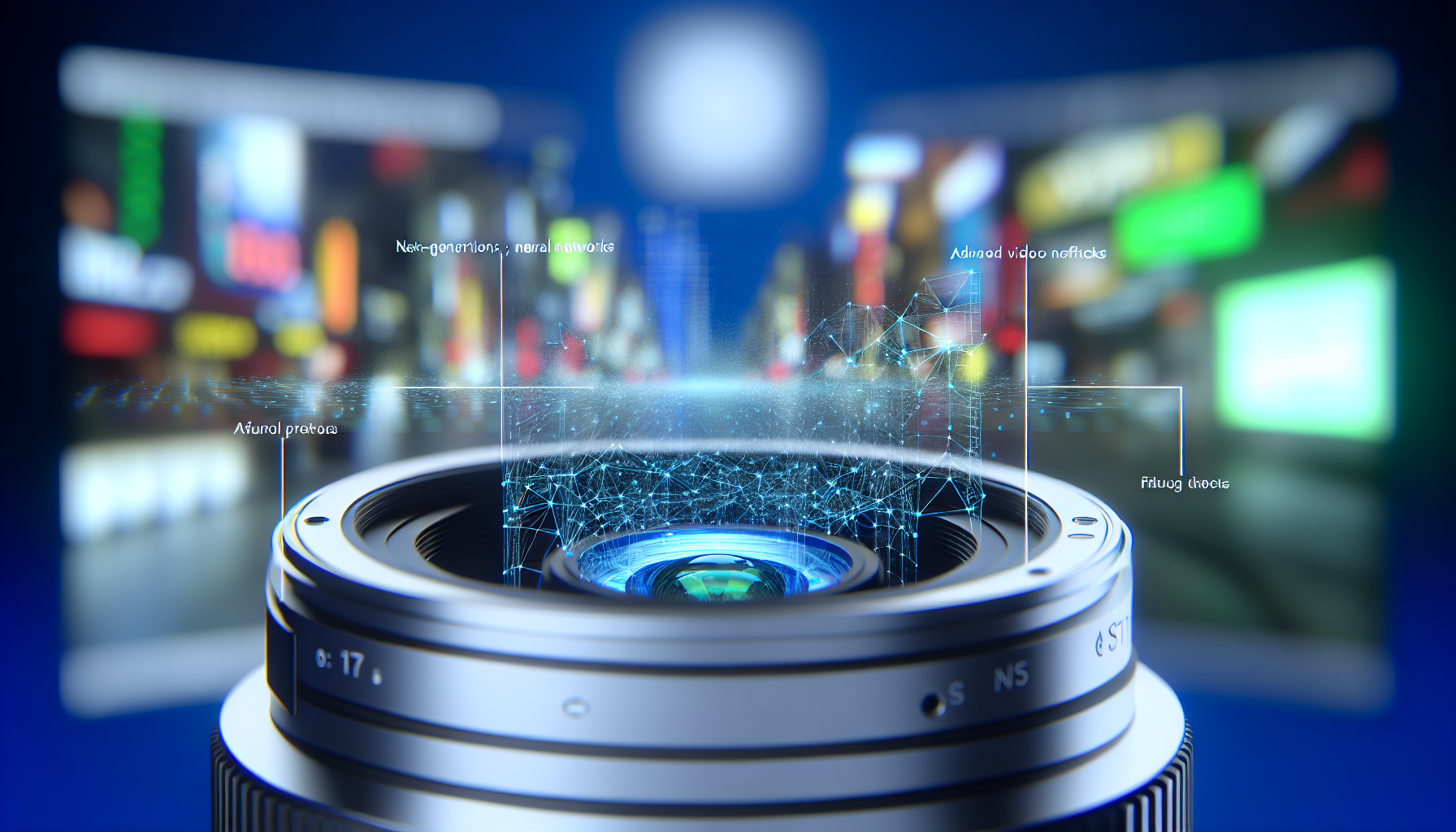
Artificial Intelligence (AI) and 3D rendering technologies are altering the landscape of digital imagery. This deep dive explores how they enhance visuals, streamline workflows, and unlock new creative possibilities. From Hollywood films to product design, these tools are pivotal in shaping our visual future.
The Evolution of AI Imaging and 3D Technology
The world of **AI Imaging & 3D Render Tech** has transformed quickly. It changed how we create and see visual content. Let’s explore this journey from old to new.
From Paintbrush to Pixels
Art has evolved remarkably over the centuries. Once, artists used paintbrushes and canvases to create. However, with technology, this changed. Computers and software emerged, offering new ways to make art. For example, digital art programs allow artists to draw using a tablet. This shift from traditional art to digital platforms has widened creative possibilities. **3D render tech** further pushes these boundaries, allowing artists to create lifelike images on screens.
Breaking New Ground with AI
AI has revolutionized how we work with images. It can now analyze images in sophisticated ways. For instance, AI can recognize objects and faces in photos, making it easier to edit them. Moreover, **AI Imaging & 3D Render Tech** enhances how we build three-dimensional models. Programs can now generate stunning, realistic 3D scenes with ease. Additionally, AI helps to automate complex rendering processes, saving time and effort.
The Democratization of Tech
**3D technology** has become more accessible. Before, only experts used advanced 3D tools. Now, these tools are user-friendly and affordable. Many schools teach students to use simple 3D modeling software. As a result, more people can explore **AI Imaging & 3D Render Tech**. This accessibility allows creators from all backgrounds to bring their ideas to life.
**In summary**, AI and 3D technologies have reshaped visual content creation. They have transformed both how we make and enjoy art. These tools continue to evolve, making the future of imagery exciting to watch. To dive deeper, check out our section on Revolutionizing Design with AI & 3D Tech. For more information on how digital art can be used in education, you may visit this resource-rich page by Edutopia.
Continue with the discussion on how these wonders of technology spread across areas like healthcare and entertainment in the next chapter: Understanding AI Imaging & Its Applications.
Understanding AI Imaging & Its Applications
Understanding AI Imaging & Its Applications
AI Imaging is changing how we see and create images. It’s like having a smart friend who helps us make amazing pictures. Even if you’ve never heard of it before, it’s becoming a big part of many things we use every day. Here, let’s learn about AI Imaging, how it works, and why it’s important.
The AI Imaging Phenomenon
AI Imaging isn’t as complicated as it sounds. Imagine teaching a computer to recognize patterns and colors like an artist. Then, it can draw pictures, fix blurry ones, or even create something brand new. To do this, AI uses **machine learning**. This means it learns from lots of examples. For example, it looks at thousands of photos of cats to know what a cat looks like. As a result, AI becomes really good at creating or changing images. Furthermore, this technology helps us in many surprising ways.
Bridging Industries
AI Imaging can help in all sorts of jobs. In healthcare, it helps doctors see **inside our bodies** without needing surgery. They use AI to look at X-rays and find problems earlier. In the world of cars, AI Imaging helps in making **self-driving cars** safer. These cars can see and understand the world around them. Additionally, in movies, AI makes special effects look super real. As for designers, AI Imaging allows them to create lifelike images without needing to start from scratch. For more on how technology is transforming design, check this illustrative resource.
Real-world Impact
We see AI Imaging impact us daily. For example, when your phone can blur a photo background, it uses AI Imaging. When social media tries to guess who is in a picture, that’s AI Image recognition at work. At schools, teachers use AI tools to create **interactive lessons**. This makes learning more engaging and fun for students. Moreover, landscape designers use AI to envision how plants will grow and change over time.
As AI Imaging and 3D Render Tech advance, their possibilities grow. For a deeper dive into how visualizations are revolutionized across various domains, this insightful analysis offers further knowledge. They will become more part of our world, helping us in ways we can’t yet imagine.
The Power of 3D Rendering in Modern Day Visuals
The power of 3D rendering brings digital images to life.
Bringing Ideas to Life
In today’s world, **3D rendering technology** plays a significant role. It helps create detailed and realistic images and animations. Many designers and artists use this technology to bring their ideas to life. For example, architects can see what a building will look like before it’s built. This way, they can make changes early and save time and money.
A Tool for Visualization
Moreover, many industries benefit from **3D visualization**. In architecture, it is used to visualize the entire design of a building. This is not only useful for architects but also for clients. They can see their future homes before construction begins. Additionally, in medicine, doctors use 3D models to study organs and plan surgeries. This technology allows them to understand what to do before performing complicated operations.
Advancements in Realism
Over time, **3D rendering** has become more advanced. Improvements in lighting, shading, and textures make renders look very real. Now, they can be indistinguishable from real life. For example, video games now have such realistic graphics, it feels like watching a movie. Many companies strive to achieve the highest quality for their visuals.
[Image: A stunning 3D render displaying intricate detail and realistic lighting]
**AI Imaging & 3D Render Tech** continue to revolutionize how we see things. As a result, creators can offer breathtaking visuals that captivate audiences. If you want to know more, explore how AI Imaging & 3D Render Tech is changing design. It’s fascinating to see all the possibilities in the world of digital imagery.
For more insights into these groundbreaking technologies, experts often refer to trusted sources like National Geographic for compelling examples and detailed explanations.
In closing, as we look towards the future, these tools will only become more essential. They provide opportunities and innovations across various fields, setting paths for incredible developments in the digital landscape.
Innovations Driving the Future of AI Imaging & 3D Tech
Innovations are transforming the way we see and create images. AI Imaging & 3D Render Tech is leading this change. Let’s explore how it’s shaping the future.
Pushing Boundaries with AI
AI is making image creation and analysis better each day. For example, smart algorithms can now generate amazing pictures from simple sketches. Moreover, AI helps artists enhance images with vivid details and colors. **Machine learning** can also understand patterns in images, making analysis faster. As a result, doctors use it to spot diseases in medical scans quickly. This technology promises to make our lives easier and images more beautiful.
[Image: The latest AI technology used in creating photorealistic 3D images]
3D Tech Breakthroughs
3D technology is making big leaps forward. New **3D scanners** can capture objects in great detail. Architects and designers use these scans to create models that look real. Additionally, **3D printing** is advancing, allowing us to print complex shapes with ease. For instance, engineers can now print parts for engines or create special tools. These advancements are transforming industries.
Blurring the Lines Between Digital and Real
Today, it’s hard to tell where digital ends and real begins. **Hyperrealistic rendering** is key to this change. Artists create stunning digital worlds indistinguishable from reality. Furthermore, virtual reality uses these realistic images to transport us to new places. Therefore, it’s changing how we experience media and entertainment. People can even walk through a house that’s not built yet, experiencing every detail.
Find more about these innovations in AI technology on our resource: AI Imaging & 3D Render Tech. For a deeper dive into the science, see this Nature article.
These innovations in AI Imaging & 3D Render Tech guide us toward a digital future. As a result, the gap between our digital and real worlds is closing. With this strong foundation, we can move on to discover effective tools and software in the next chapter.
Effective Tools and Software for AI Imaging & 3D Rendering
AI imaging and 3D render tech are transforming digital arts. These tools help create amazing visuals. Now, let’s dive into the best software available today.
Professional Picks
Industry experts love specific software for its power and flexibility. Autodesk Maya is one such tool. It helps create stunning 3D models and animations. As a result, many film studios use it for effects. Blender is another popular choice. It offers a variety of features like sculpting and texturing. Professionals appreciate its ability to handle complex projects.
Moreover, Adobe Photoshop is essential for AI imaging. It’s perfect for editing photos and creating graphics. Many graphic designers use it daily because of its powerful tools and ease of integration with Adobe’s Creative Cloud.
Accessible Alternatives
Fortunately, there are friendly options for beginners. For example, Tinkercad makes 3D modeling simple. It allows users to design and print 3D models with ease. Because of its simplicity, schools often use it to teach students about 3D printing.
Additionally, for AI imaging, Pixlr is a great choice. It’s an online photo editor that works right in your browser. Users can easily make professional-quality edits without any software download. Therefore, hobbyists find it useful for quick, quality editing.
Open-Source Revolution
Open-source software is changing the game. It makes advanced tools accessible to all. GIMP is an open-source image editor. Besides editing photos, it creates digital artwork. Many compare it to Adobe Photoshop for its similar features but free cost.
Furthermore, OpenSCAD helps create 3D CAD objects. It’s ideal for programmers and engineers due to its scripting-based interface. This open-source tool encourages participation and learning among users worldwide.
As a result of these advances, people can delve into AI Imaging & 3D Render Tech without barriers. Open-source platforms promote creativity and democratize the field. If you want to learn more about how AI and 3D tech are pushing creative limits, check out this link on Autodesk’s Innovations.
Therefore, with both professional and accessible tools available, users have unmatched opportunities to innovate. The future of AI imaging and 3D rendering looks bright, and the possibilities are endless as new tools emerge. Stay tuned as we continue to explore how technology is shaping digital media.
Conclusions
AI Imaging & 3D Render Tech are not just the future; they are the present. This article demonstrated their profound impact on multiple industries. The insights and practical advice provided can guide enthusiasts and professionals alike in harnessing their full potential.