
 By admin-codelyx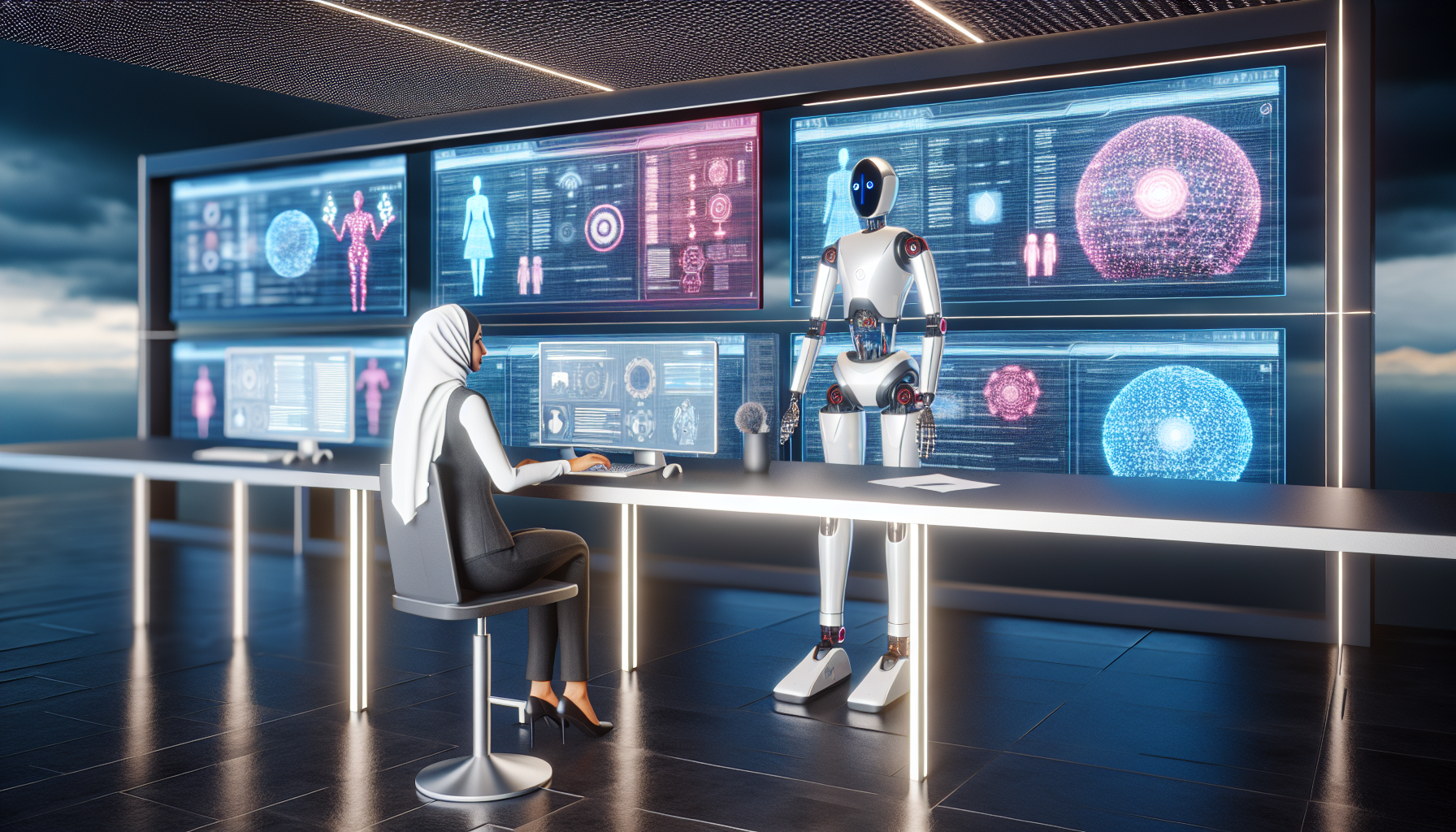
Artificial intelligence (AI) is revolutionizing the way we work and interact. From streamlining processes to providing personal assistance, AI agents are emerging as game changers. This article delves into how AI automation and agents are shaping our future.
The Rise of AI Automation
The Rise of AI Automation: Understanding the Basics
AI Automation enhances efficiency by leveraging intelligent systems to perform tasks. **AI Automation** differs from traditional automation because it involves teaching machines to learn and adapt. For instance, this is achieved through technologies like **machine learning** and **natural language processing (NLP)**. Machine learning allows computers to learn from data and improve over time. NLP enables machines to understand and respond to human language. Learn more about AI research here.
History and Evolution
AI Automation has come a long way since its inception. Initially, computers were programmed to perform specific functions without understanding. Later, in the 1950s, AI pioneers began exploring intelligent machines. By the 21st century, enhanced computer power allowed rapid development. For example, significant milestones include IBM’s Watson winning “Jeopardy!” in 2011 and Google’s AI defeating a Go champion in 2016. Such events show the remarkable progress in AI Automation.

Current Trends in AI Automation
Today, AI Automation is integral across many sectors. Industries like healthcare and finance use AI to analyze data quickly and accurately. However, one key trend is AI in customer service, including chatbots that understand and respond to queries. Additionally, AI in autonomous vehicles showcases how automation meets real-life needs. Intelligent automation offers valuable insights, saving time and increasing productivity.
For an in-depth discussion, visit AI Automation Excellence in Modern Business.
Furthermore, AI Automation empowers industries by driving innovation and change. Businesses leverage AI agents to streamline operations, providing intelligent solutions. As AI agents evolve, they present new opportunities and challenges for future exploration. Therefore, as we move to the next chapter, understanding AI Agents becomes essential in grasping their role in intelligent automation.
How AI Agents Work
Understanding AI Agents
AI agents help computers do tasks like humans. They use **algorithms** and lots of data. This way, they can make smart choices and learn from experiences. For instance, when you chat with a virtual assistant, it’s an AI agent at work. Moreover, these agents get better with time by learning from every interaction. As a result, they become more helpful and accurate.
Types of AI Agents
There are different types of AI agents. **Chatbots** are common examples. They can answer questions and provide customer support online. For example, when shopping on a website, a chatbot might help you find a product. Then there are **virtual personal assistants** like Alexa or Siri that help control smart devices and provide information on demand. These agents make daily tasks easier and faster. You might ask, “What’s the weather like today?” and get an instant answer.
Behind the Scenes
How do AI agents work? First, they receive a task from you, the user. Next, they break this task into small parts. Then, they process information using data and clever calculations. For example, when you ask a question, a chatbot analyzes it to understand what you need. Additionally, these agents often work automatically, without needing much help from people. They decide what to do based on what they’ve learned before. **AI automation** and agents make life simpler by handling routine tasks.
[Image: An AI agent represented by a robot icon helping a human with a task]
AI agents are well-designed to act like humans. They adapt and respond in different situations, facilitating smooth interactions. For more information on how AI changes business operations, you can read this descriptive anchor text. It’s all about enhancing efficiency in various fields. These agents often connect with other smart systems, making life incredibly convenient. Furthermore, as technology advances, AI agents will only keep getting smarter. To discover more about their capabilities, check out this descriptive anchor text.
Applications of AI in Automation
**Applications of AI in Automation: Unleashing Potential**
AI automation and agents dramatically enhance efficiency in *several domains*. **Business operations**, healthcare, and personal lifestyles are key areas impacted by this technology.
Streamlining Business Operations
AI automation simplifies business tasks like supply chain management and customer service. For example, AI helps companies track inventory and predict product demands. **Walmart uses AI** to optimize its supply chain, analyzing data to improve delivery times. Additionally, AI chatbots manage customer service inquiries, providing instant responses and resolving issues.
AI agents improve decision-making with real-time data analysis. As a result, companies become more competitive. Implementing AI-driven solutions allows for more accurate forecasting, better resource allocation, and enhanced customer satisfaction. **Moreover**, AI agents serve as virtual assistants, handling routine tasks so employees can focus on strategic activities.
Improving Healthcare
AI automation transforms healthcare, enhancing patient diagnostics and care. **IBM Watson Health**, for instance, helps doctors diagnose diseases by analyzing vast medical literature. Furthermore, AI systems monitor patient vitals and alert staff to potential issues, improving patient outcomes.
In surgeries, AI-driven robots assist surgeons, increasing precision and reducing recovery time. **AI also aids in drug discovery,** speeding up research that normally takes years [1]. These advancements allow healthcare providers to offer timely, informed, and improved care. As AI systems evolve, they may play an even larger role in preventive healthcare.
Personal Use and Lifestyle
AI agents have become integral to personal lives, enhancing convenience in various aspects. **Smart home devices**, like Amazon Alexa and Google Home, control lights, thermostats, and even security systems. By learning user preferences, these AI agents create customized experiences, making daily life easier and more efficient.
In retail, personal shopping assistants use AI to recommend products based on previous purchases and preferences. **For example, AI-powered apps** scan online stores to find the best deals on desired items. Additionally, AI agents plan travel itineraries or remind users of important events, leading to well-organized lifestyles.
**As AI automation agents continue to integrate into daily activities, their potential grows exponentially.** In coming chapters, we’ll explore the challenges and ethical considerations of AI implementation.
[1] [AI in Drug Discovery](https://www.nature.com/articles/d41573-019-00116-1) (Nature Biotech)
[A Look at AI’s Potential in Business](https://www.forbes.com) (Forbes)
Challenges and Ethical Considerations
AI automation and agents offer incredible potential, but we face challenges that require thoughtful consideration.
Addressing Privacy Concerns
AI automation and agents often handle a lot of personal information. For example, think of the data from our phones or smart devices. This data helps make smart decisions, but it also raises privacy concerns. People worry that their data could be accessed by those who shouldn’t see it. Therefore, **data security** is crucial. Companies must create strong protection measures. This way, they can keep personal details safe from hackers. For more guidance on security, you can learn about smart data management.
Dealing with Bias
Bias in AI automation can lead to unfair outcomes. For example, if AI is used to decide who gets a job, it might favor certain groups if not programmed fairly. **Algorithm fairness** means making sure AI decisions do not favor one person over another. Therefore, companies are working hard to reduce bias. They continuously check their AI systems. Additionally, many use diverse data to “teach” the system. By ensuring a balanced approach, AI can make better decisions that are fair to all. To dive deeper into bias, take a look at this research on AI fairness.
The Human-AI Relationship
As AI automation grows, our relationship with it evolves. One concern is job displacement. While AI can handle repetitive tasks, many fear losing their jobs. However, AI can also create new opportunities by introducing fresh roles and industries. Human oversight is also essential with AI. People still need to check AI decisions to ensure they’re correct. Moreover, humans add a level of understanding and empathy that AI lacks. This helps maintain a balanced and ethical AI environment.
Finally, as AI agents become smarter, addressing ethical and practical challenges is more important than ever. By acting responsibly, we unlock the full potential of AI automation, paving the way for a positive tech-driven future.
An important internal resource is our article on AI Automation Excellence in Modern Business.
Conclusions
AI automation and agents symbolize the next significant leap in efficiency and personalization. We covered their development, applications, and future implications. Embracing these technologies can propel us into an innovative era of convenience and productivity.