
 By admin-codelyx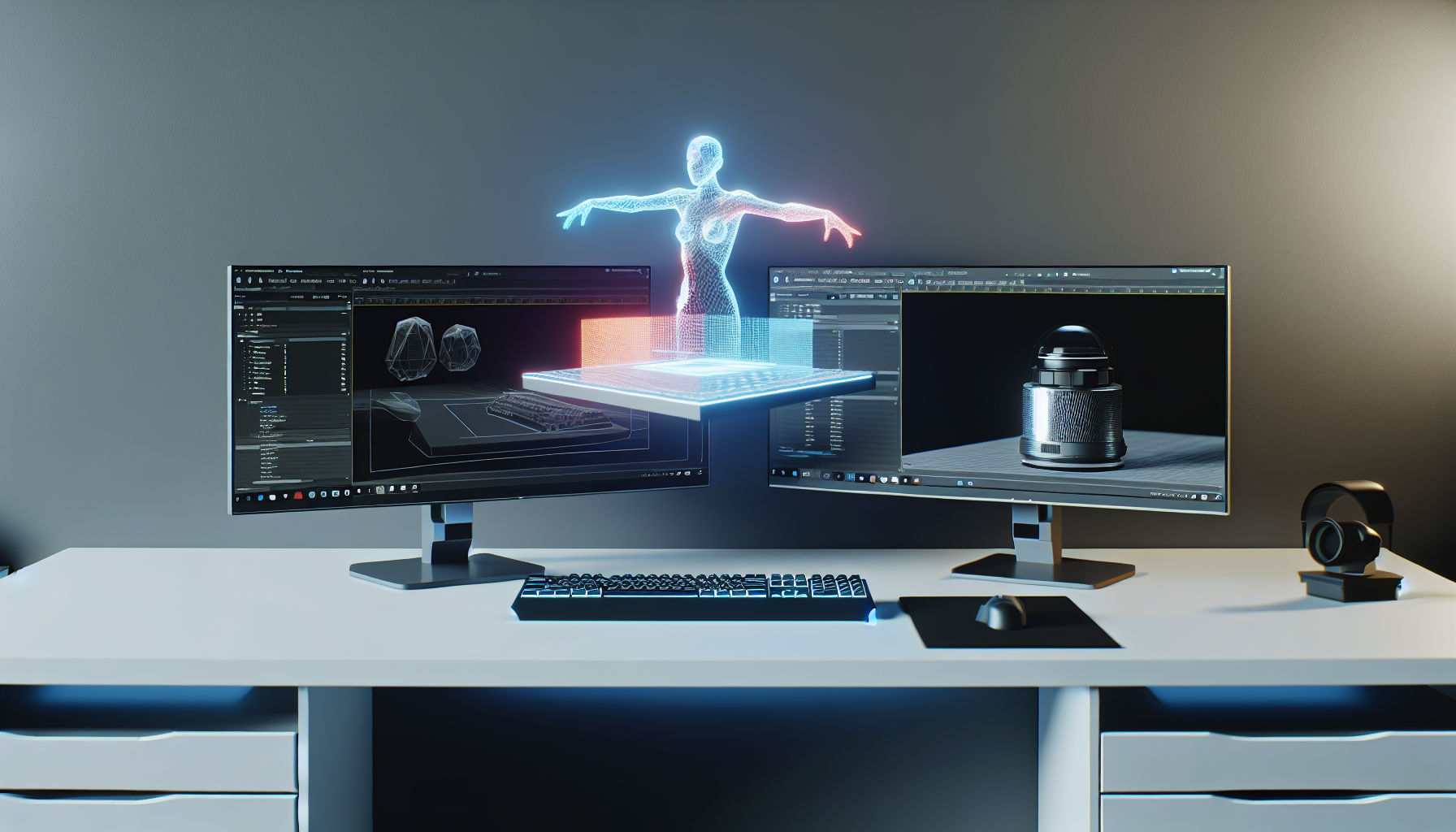
The world of digital imaging is evolving rapidly with AI Imaging & 3D Render Tech playing pivotal roles. As we stride into a new era of visuals, these technologies are drastically altering how we view and interact with digital content. In this article, we delve deep into the capabilities, applications, and future of AI-driven imaging and 3D rendering.
The Advent of AI in Imaging
Early Developments in AI Imaging
AI Imaging began with simple tasks. Initially, scientists used it to recognize patterns. Computers learned how to see things like humans do. This was a big step forward. For example, computers could identify simple objects like a cat or dog in pictures. Over the years, AI Imaging technology has significantly evolved. It became smarter and faster, helping in various fields.
Moreover, various industries started using AI Imaging for more complex tasks. In surgery, AI-assisted machines helped doctors see inside the human body better. In space, AI improved satellite images by making them clearer. Personal advertising also changed. Now, ads showed what people are most interested in. For more details on how AI has improved visualization, you can read about the Revolutionizing Visualization with AI Imaging.
Current Applications of AI Imaging
Today, AI Imaging is used everywhere. In hospitals, it helps doctors during surgeries. AI can detect diseases by looking at images of the human body. This makes treatments faster and more accurate. Additionally, AI Imaging helps in identifying and tracking weather patterns through satellite imagery. This keeps people safe from natural disasters. According to a study, use of AI technology in healthcare can reduce error rates in diagnoses by up to 60%.
Moreover, personalized advertising uses AI Imaging to show relevant ads. When you browse online, algorithms decide what you’d like to see. AI analyzes your activity and interests. Therefore, you see ads that match your preferences. This makes advertising more effective. Powerful image analysis software can process complex visuals faster than ever, as shown in [Image: AI software analyzing a digital image]. For in-depth understanding, you can explore this article on AI and machine learning in image analysis.
The Future Potential of AI Imaging
The potential for AI Imaging is immense. It promises to change many fields further. In medicine, AI will make surgeries even safer. Machines could perform routine tasks so doctors can focus more on patients. As for satellite imagery, AI will better predict weather changes and map distant planets. This could pave the way for new discoveries in space.
In the realm of advertising, the future of AI Imaging is equally bright. With better AI, ads will become even more personalized. It could build ads in real-time based on current trends. As a result, companies can engage with their customers more effectively. Moreover, AI Imaging will continue to grow, with improvements happening rapidly. To see its impact, think about how far it will lead us in technology advancements.
Certainly, AI Imaging and 3D Render Tech will continue to revolutionize how images are created and perceived. It not only changes our present but also builds a smarter future. As we step into more advanced chapters, keep a curious mind about its evolving role in the tech world.
Evolution of 3D Rendering Techniques
From Basic Models to Photorealism
The journey of 3D rendering began with simple wireframe models. These were basic and only showed the outlines of shapes. However, as technology advanced, the models became more detailed. Today, we enjoy photorealistic scenes that look very real.
This amazing change was possible due to better computer hardware and smart AI algorithms. Advanced AI Imaging & 3D Render Tech played a big role. For instance, animated films use these techniques to create life-like scenes that captivate audiences. Imagine a movie scene so detailed it feels like you can walk right into it.
Enhancing Quality with AI
AI has greatly improved the quality of 3D renders. It helps create textures that look extremely realistic. Additionally, AI can add complex lighting and shadow effects effortlessly. This results in images and animations that feel rich and detailed.
AI Imaging & 3D Render Tech routines learn over time, enhancing output quality rapidly. For example, consider a simple model of a tree. AI helps make its leaves flutter realistically in the wind, merging digital creation with natural beauty seamlessly.
Speeding Up Rendering through Technology
Rendering used to be slow and time-consuming. However, with modern computers and AI, it has become much faster. This means animators and developers save time, allowing them to focus on creativity.
Additionally, AI Imaging & 3D Render Tech accelerates rendering by making smart predictions during the process. For instance, the use of AI to predict detailed scenes allows quicker results. Moreover, technologies now can process complex scenes in less time than it once took to render a simple model.
In conclusion, the evolution of rendering techniques enhances how we create and experience digital worlds. Therefore, AI Imaging & 3D Render Tech effectively bridges artistic visions with reality, making previous limitations outdated. To explore more about how industries apply 3D tech in real-world settings, continue to our next chapter.
Real-world Applications and Case Studies
AI Imaging & 3D Render Tech is changing the world around us. From movies to medical scans, these tools are making things better and easier. Let’s explore how.
Transforming the Film Industry
AI Imaging & 3D Render Tech is a game-changer in movies. For example, film studios use this tech to create amazing special effects. As a result, scenes like flying dragons look very real. Furthermore, directors can bring vivid imaginations to life on screen. This makes storytelling more exciting for audiences. An example is in animated films, where complex and detailed worlds are crafted swiftly and effectively using AI Imaging & 3D Render Tech.
Advancing Medical Diagnosis
Doctors now use AI Imaging for quicker diagnoses. For example, 3D images of the heart help doctors find problems sooner. Moreover, these images are easier for doctors to read. This leads to better treatment for patients. Additionally, hospitals increasingly rely on AI to handle large sets of medical images swiftly. A study by National Institutes of Health found AI improves accuracy in reading such images.
Revolutionizing Real Estate
AI Imaging & 3D Render Tech is also reshaping real estate. Now, people enjoy virtual home tours from their gadgets at home. For instance, with 3D renderings, buyers can walk through homes online. This saves time and makes house-hunting stress-free. Moreover, these tours show homes more realistically. Finally, this tech is improving how real estate agents market properties. See an example of a virtual tour interface below:

In conclusion, AI Imaging & 3D Render Tech impacts various fields. It creates amazing effects, improves health diagnostics, and changes home buying. Therefore, as you continue reading, discover how AI further boosts creativity and productivity.
Boosting Creativity and Productivity
AI Imaging & 3D Render Tech make creativity soar. They improve how we design, build, and create amazing content. These technologies shape our world in exciting ways.
Enhancing Design Possibilities
AI Imaging helps designers think outside the box. With smart tools, they can try out new ideas easily. For example, AI can suggest color changes or textures. Designers no longer need to start from scratch, which saves time. As a result, they can focus more on their creative vision.
Moreover, AI-assisted design tools can quickly create different versions of a design. This helps find the best option faster. Designers can explore more ideas in less time. Therefore, their projects often turn out more creative and unique. [Image: Designer working on a 3D model with AI assistance]
Increasing Architectural Precision
Architects benefit from these technologies too. AI Imaging & 3D Render Tech bring their ideas to life with great detail. This makes it easier to spot potential design issues. As a result, buildings are safer and more efficient.
Additionally, AI can create accurate 3D models in seconds. This eliminates long hours once spent on creating plans manually. Architects can now perfect their designs quicker, leading to better structures overall.
Furthermore, real-time rendering offers architects a glimpse of the final product early on. They can make essential changes before building begins. This technology not only saves money but also ensures high-quality structures. Discover more about how these technologies transform architecture in this blog.
Empowering Content Creators
Content creators, like artists and filmmakers, also experience new possibilities with AI. Tools powered by AI suggest creative elements like lighting and angles. This makes the content more engaging.
Moreover, content creators can produce high-quality work faster with AI. For instance, AI Art Generator can instantly create stunning visuals. By reducing time on technical tasks, creators can focus on storytelling.
These technologies also encourage collaboration. Creators can share AI-based drafts with teams instantly. The teamwork leads to even better final results. For further details on technology in the creative industry, check out this article from The New York Times.
AI Imaging & 3D Render Tech are transforming our world. They unlock new levels of creativity and efficiency across various fields. As technology evolves, these tools will become even more powerful. Next, we will explore challenges and ethical considerations in using these technologies.
Overcoming Challenges and Ethical Considerations
AI Imaging & 3D Render Tech have transformed how we see and shape the world. But, with innovation comes challenges and ethical considerations that we must address.
Privacy and Security in AI Imaging
AI imaging uses a lot of personal data to create realistic images. **Keeping this data private and secure is essential**. For example, when companies collect images of people, they must ensure the data stays safe. **To protect privacy**, enhanced encryption and strict access controls are needed. Taking these steps can help maintain trust. Moreover, policies and regulations should guide the use of personal data. According to the General Data Protection Regulation (GDPR), consent is key when handling any identifiable information.
Resource Efficiency and Sustainability
AI and 3D render tech require significant computing power. This can lead to high energy use. **As a result**, environmental impact becomes a concern. Finding ways to reduce energy use is crucial. Lightweight computing and processing can alleviate some of these demands. For instance, using smarter algorithms can save resources. Furthermore, **opting for renewable energy** in servers can lower emissions. By being mindful of energy sources and usage, we can foster more sustainable practices.
Ethical Use of AI and 3D Tech
Ethically using AI and 3D technology is important. These tools can create powerful and convincing images. **However, misuse can spread misinformation**. For example, deepfake technology can alter videos and images to mislead people. It’s crucial to establish guidelines to prevent such abuses. An infographic exploring these ethical concerns can offer insights: [Image: Infographic on ethical considerations in AI and 3D technology]. **Moreover**, educating the public and developers is vital. The goal is to use tech responsibly and with positive intentions. Organizations like Google AI Education provide resources to understand and create ethical AI applications.
**AI Imaging & 3D Render Tech continue to evolve**. Addressing privacy, resource efficiency, and ethical use ensures these technologies benefit society. By taking these steps, we pave the way for a responsible digital future. To delve further into these transformative impacts, consider learning about the descriptive anchor text.
Conclusions
AI Imaging & 3D Render Tech has the potential to redefine numerous sectors, including entertainment, design, and education. With its growing capabilities, the future of digital visualization is bright, accessible, and teeming with possibilities that were unimaginable just a decade ago.