 By admin-codelyx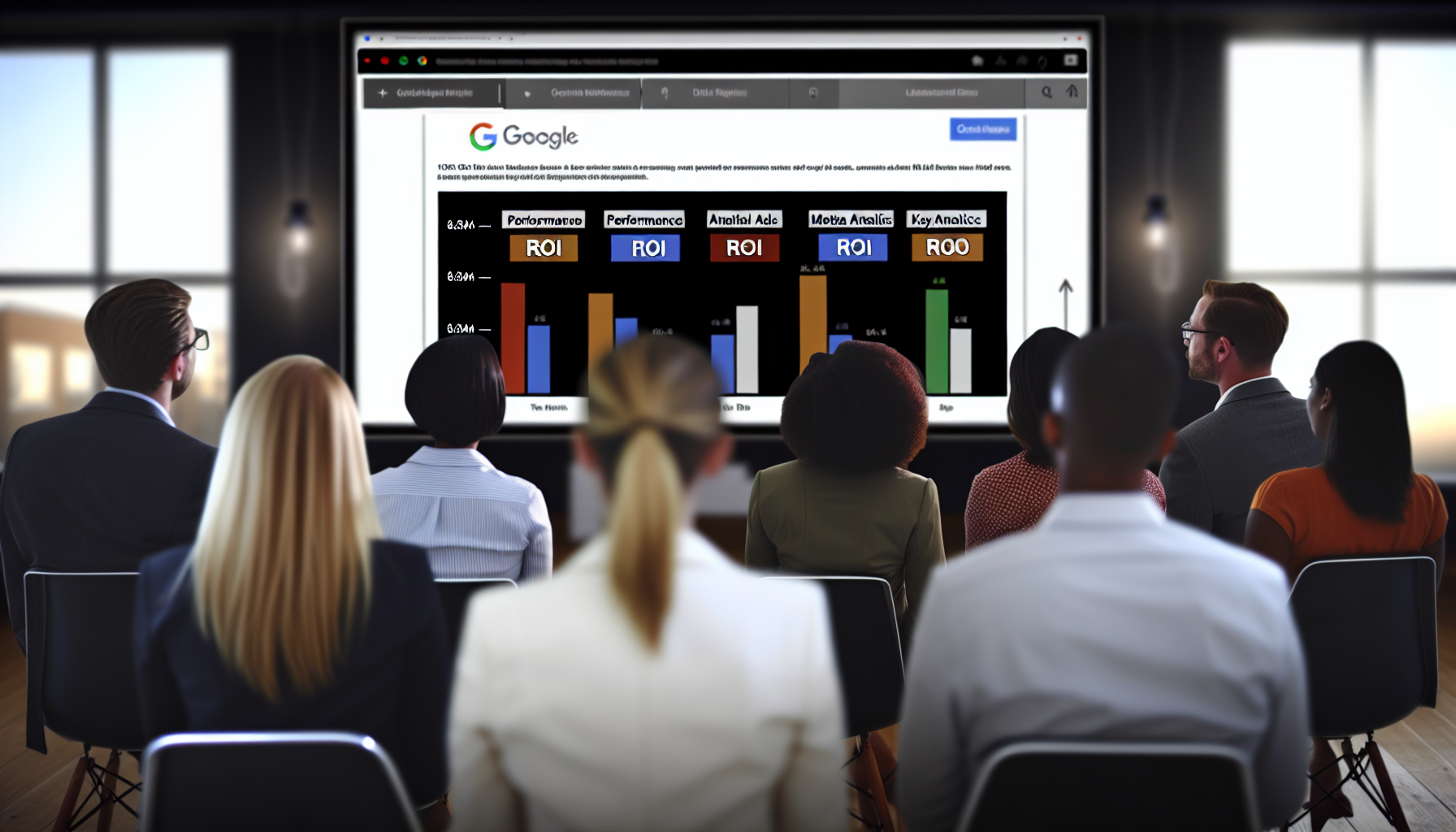
In the digital marketing ecosystem, paid media stands as a cornerstone for success. This article will dive deep into maximizing ROI using Google & Meta Ads, two of the most powerful platforms in online advertising. Explore essential strategies and practical tips to excel in the paid media landscape.
Understanding Paid Media Landscapes
# Understanding Paid Media Landscapes
**Unlocking the Secrets of Paid Media with Google & Meta Ads**
Introduction to Paid Media
In the digital world, paid media is a key player. It represents an advertising form where businesses pay to display their content. **Paid Media (Google & Meta Ads)** is a vital topic that many marketers talk about these days. It helps brands broadcast their messages widely and effectively.
Characteristics of Google & Meta Ads
Google and Meta provide different ways to reach audiences. These platforms offer comprehensive targeting options. You can target people by age, location, interests, and more. Moreover, the ad formats are varied and include text ads, display ads, video ads, and carousel ads. Customizing campaigns on these platforms is easy. You get to design ads that align perfectly with your goals.
However, understanding the choices of formats and targeting can help you reach the right audience. Additionally, using these features boosts the chances of success for your campaigns.
Benefits of Google & Meta Ads
Using Google and Meta Ads comes with various advantages. Firstly, these ads have extensive reach, connecting brands to billions of users worldwide. **Additionally,** they offer advanced analytics. This feature ensures you monitor performance and make data-driven decisions easily.
Furthermore, the cost-effectiveness of these ads is noteworthy. They allow you to reach many people without overspending. Scalability is another major benefit. You can start small and gradually increase your advertising efforts as you grow.
For example, a successful Google campaign showed stellar performance through excellent metrics and impactful reach.
[Image: A screenshot of a successful Google Ads campaign highlighting key performance metrics]
To explore more about leveraging Google and Meta ads, check this insightful post on boosting Google & Meta ads. Furthermore, for a comprehensive exploration of paid media strategies, Digital Gov provides valuable insights.
In conclusion, **Paid Media (Google & Meta Ads)** plays an essential role in today’s digital landscape. By choosing the right strategies, businesses can reach a wider audience, efficiently target potential customers, and optimize budget spending. Additionally, armed with insights and data, brands can scale and refine their efforts over time.
The next chapter will guide you on setting up successful campaigns on these platforms. By defining clear objectives, understanding your audience, and optimizing your budget, you can embark on the journey towards effective digital advertising.
Setting Up Your First Campaign
Setting Up Your First Campaign
Now that you’ve learned the essentials of Google and Meta Ads, it’s time to dive deeper into setting up your first campaign. You can easily reach your business goals by following some key steps.
Selecting Campaign Goals
Choosing the right **campaign goal** is important. For example, do you want more people to visit your website or buy your product? Aligning your goal with your business needs is crucial. You might aim for lead generation if you want new customers. Or, if you’re selling online, focus on boosting sales. Picking the right goal guides your entire campaign.
Defining Target Audiences
Next, you’ll need to think about who should see your ads. Defining your **target audience** helps make ads effective. Consider demographics like age, gender, and interests. Also, look at geographic locations where your customers live. Moreover, understanding what your audience enjoys or values helps in crafting messages that resonate. A well-defined audience sees ads they care about.
Choosing Ad Placements
Once you’ve set your goals and audience, decide where to show your ads. Both Google and Meta offer various **ad placements**. On Google, you can appear in search results or websites your audience visits. Likewise, Meta lets your ads appear on platforms like Facebook and Instagram. Therefore, choosing wisely boosts your visibility and engagement.
Ad Budgeting and Bidding
Setting a smart budget keeps your spending in check. Start small to see what works, then adjust as needed. You must also decide on a **bidding strategy**. Google and Meta allow you to bid manually or automatically. For beginners, automated bidding can optimize your spending efficiently. Notably, keep an eye on your budget to make sure it aligns with your goals.
For further insights, consider exploring this [descriptive anchor text](https://blog.codelynx.co/470/paid-media-google-meta-ads/) for expert tips on paid media.
### Conclusion
Following these steps makes it easy to set up your first campaign using Paid Media on Google and Meta Ads. Clear goals, the right audience, and strategic budgeting are key to success. As a result, well-planned campaigns can meet your business objectives. Next, we’ll learn how to create ads that capture attention and drive action.
[Image: A step-by-step visual guide to setting up a Google Ads campaign with icons illustrating goals, audience, placements, and budgeting.]
Crafting Compelling Ads
Crafting compelling ads that capture attention and drive action involves a blend of creative elements. These ads, especially on platforms like Google and Meta, require persuasive ad copy, eye-catching visuals, and clear calls-to-action. Together, these components help ensure your paid media campaigns succeed.
Writing Persuasive Ad Copy
Words have power. In paid media, saying a lot with a little is crucial. Your ad copy should clearly present your value proposition. For instance, instead of just saying “Great Product,” describe how it helps the reader. More specifically, if you’re selling a time-saving app, highlight how it “saves you 2 hours a day.” Such specifics make ads more persuasive. Additionally, use emotionally appealing language or questions. This approach can make the reader curious or interested, leading them to click.
Designing Eye-Catching Visuals
Interestingly, visuals play a huge role in digital ads. Vibrant images catch people’s eyes quicker than words alone. For example, images showing people using your product can create a stronger connection. Moreover, ensure your visuals are simple. Avoid clutter, as it can confuse or overwhelm viewers. Use contrasting colors to highlight important messages or product features, making them stand out prominently.
Clear Calls-to-Action
A strong call-to-action (CTA) is essential to prompt immediate responses. Words like “Buy Now,” “Learn More,” or “Sign Up Today” tell users exactly what to do again. However, clarity is key. The CTA must resonate with the target audience’s needs or desires. For example, a travel ad might use “Book Your Adventure Now” to trigger excitement and urgency. Furthermore, place the CTA where it’s easy to spot, like a prominent button at the end or center of your ad. This helps guide the user towards the desired action, improving conversion rates.
**Image Reference**: An example of a high-converting ad with a strong call-to-action button.
In conclusion, understanding and effectively implementing these elements are vital for creating compelling ads on platforms like Google and Meta. For further exploration on excitement in crafting these ads, check out the descriptive anchor text. This way, you’re set to capture and maintain your audience’s interest and successfully drive actions.
Optimizing for Better Performance
**Optimizing for Better Performance**
Google and Meta Ads optimization is key to success in paid media. For improved outcomes, understanding how to monitor and adjust your campaigns effectively is essential.
Monitoring Campaign Performance
Regularly checking your campaign metrics assures you of its performance. Start by examining clicks, impressions, and conversions. This tells you how well your ad is doing. **Use dashboards** provided by platforms like Google Ads and Meta to track these metrics in real-time. For example, if you notice a drop in clicks, it may be time to tweak your ad.
Adjusting based on data can lead to better results. If one ad isn’t performing, consider A/B testing. This means creating two variations of an ad to see which works better. As a result, you can pinpoint changes that boost performance.
Relevance of Ad Extensions
Ad extensions are vital tools in enhancing ad visibility. These are snippets of extra information you attach to your ads. **Using ad extensions** makes your ad more informative and appealing. For example, add contact information, site links, or extra product details to your ad.
Extensions can improve your click-through rate (CTR) significantly. When users find your ad more informative, they are likely to click. Learn more about effective ad extensions with insights from experts at Google Ads Help.
Improving CTR and Conversion Rates
To boost clicks and conversions, refining your targeting is key. Aim your ads at the right audience who is interested in your products. Additionally, ensure your ad content is engaging and relevant. Use strong, action-oriented language to entice users. Words like “discover” or “save now” can prompt action.
Furthermore, experiment with ad visuals. Eye-catching images can increase clicks and engagements. An effective strategy involves continuous testing and updates. For instance, changing an ad image might attract more attention, leading to higher engagement.
In conclusion, by optimizing Google and Meta Ads, you can enhance your campaign performance efficiently. This ensures that your ads reach the ideal audience, driving better results. Up next, we will explore how to analyze and interpret data for even greater insights into your paid media campaigns.
Analyzing and Interpreting Data
Analyzing and interpreting data from Google and Meta Ads helps make smart decisions.
Understanding Key Performance Indicators
The secret sauce to ad success is tracking the right **key performance indicators** (KPIs). These show you how well your ads are doing and if they need a boost. **Click-through rate** (CTR) is one important KPI. It tells you how many people clicked your ad compared to how many saw it. A higher CTR means your ad catches attention. Moreover, **conversion rate** shows how many people took action, like buying or signing up. Therefore, it’s crucial for knowing if your ad spends wisely.

Navigating Analytics Dashboards
Dashboards can look like space controls, but they’re actually helpful. They show your ad’s data in one place. Google Ads and Meta Ads have easy-to-read dashboards. First, let’s focus on finding your keywords. Click to see which ones drive the most traffic. For example, if ‘summer shoes’ gets clicked a lot, try using it more. Moreover, the dashboard lets you see how much you’re spending. Are you getting enough conversions for the money? This is vital.
Using Insights to Refine Strategies
With your data ready, it’s time to make moves. Use insights to tweak and upgrade your ads. If you notice a keyword isn’t working, replace it with something else. Are you targeting the right age group or location? Adjust these settings for better results. Additionally, test different ad copies to see which one your audience prefers. Always be ready to change and adapt. Refining ads based on data drives better performance.
For more on refining strategies, our post on Mastering Paid Media: Boost Your Google & Meta Ads can help.
Finally, remember that data isn’t just numbers. It’s a guide to what your audience likes. If you keep analyzing and interpreting your Paid Media data, both your Google and Meta Ads will improve over time.
For further reading on managing ads, check out MarketingCharts for industry insights and trends.
Understanding how to analyze your ad data will lead to better campaigns and more success. In the next chapter, we’ll explore advanced data techniques to exploit your ad potential even further.
Conclusions
Paid media through Google & Meta Ads can radically enhance your marketing efforts when executed with skill. We’ve covered targeting strategies, ad optimization, analytics analysis, and best practices. Harness this knowledge to boost your ROI and excel in the competitive digital space.