
 By admin-codelyx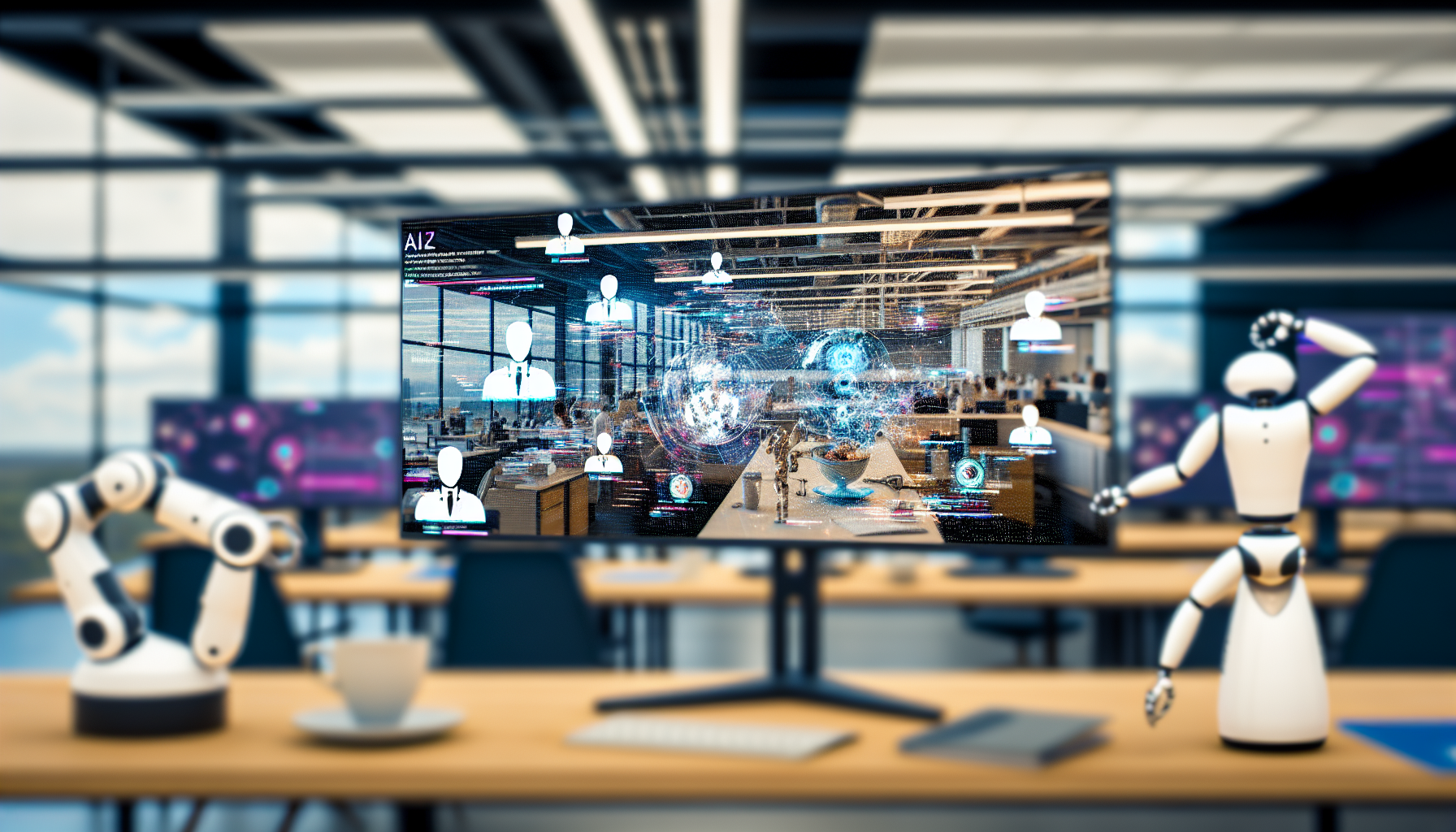
AI Automation & Agents are transforming how we work and live. This article delves into the ways these technologies enhance efficiency and streamline tasks.
Understanding AI Automation
Understanding AI Automation
AI automation makes daily tasks easier and faster. It uses artificial intelligence with little human help. **AI Automation & Agents** can learn and adapt, which traditional methods can’t do.
What is AI Automation?
At its core, AI automation involves the use of intelligent software and systems to perform **tasks automatically**. These tasks can be anything from answering customer inquiries to controlling home appliances. For example, when you say “Turn on the lights,” smart systems respond instantly. This technology can also adjust to new situations by learning from experiences. For a visual representation, you might imagine a smart system dashboard showing AI automation in action. [Insert image here]
AI Automation vs. Traditional Automation
Traditional automation involves machinery and basic programming to complete repetitive tasks. However, AI automation takes it a step further. It not only performs tasks but learns from them too. **AI Automation & Agents** can understand patterns and make decisions, unlike traditional systems. For example, traditional automation might manufacture cars, while AI automation can predict maintenance needs.
Furthermore, AI automation reduces errors. Machines make fewer mistakes than humans, improving productivity. Moreover, having AI Automation & Agents in the workforce can lead to significant work efficiency with less oversight.
Significance of AI Automation in Business
In the business world, AI automation has transformed how companies operate. It helps in making accurate forecasts based on data, thus improving decision-making processes. **AI Automation & Agents** can reduce costs significantly by optimizing supply chains and managing customer services efficiently.
Consider this: a company using AI to manage customer inquiries might handle thousands every day without error. This means less wait time for customers and happier clients. Businesses save money and increase sales—not just manage them.
For further insights, read articles from reputable sources like McKinsey’s insights on AI in business.
Therefore, businesses achieve more with fewer resources, freeing up time for innovation. This advancement naturally leads us into the next chapter of this article: The Rise of Autonomous Agents.
The Rise of Autonomous Agents
Essentials of Autonomous Agents
Autonomous agents are special AI systems that can make decisions by themselves. They learn, adapt, and interact without human help. These agents use **artificial intelligence** to control tasks, which makes them very useful in many areas. For example, they can manage factory machines or even drive cars. Their ability to learn over time helps improve their performance.
However, not all tasks are suitable for autonomous agents yet. They work best where decisions must be made quickly and accurately. It’s important to understand that these agents are not perfect and need constant updates. Therefore, many companies are investing in these smart systems to boost productivity and reduce costs. [Image: Robots performing synchronized tasks in a warehouse]
Impact Across Industries
Autonomous agents are changing how industries operate. In **manufacturing**, these agents control robots to build products faster. They often do tasks that are dangerous for humans. For example, robots can paint cars in a factory without getting tired. This allows factories to work longer hours and produce more items. Learn more about this from the National Institute of Standards and Technology.
In **healthcare**, autonomous agents can help doctors with patient information. They analyze medical data to suggest treatments. As a result, doctors have more time for patients. Moreover, customer service uses virtual agents. They chat with customers online to answer questions. This kind of **AI automation & agents** benefits businesses by saving time and improving service.
Exciting Developments in Autonomous Agent Technology
The technology for autonomous agents is rapidly advancing. New innovations allow them to interact more and make smarter decisions. For instance, some agents can now understand human emotions. This helps them provide better responses. Exciting developments also involve **machine learning**, which allows agents to become more effective over time.
Furthermore, many companies are already implementing these agents to improve operations. To successfully adopt them, businesses should start small, using agents for simple tasks first. It’s also vital to train staff on how to work with these agents. For further tips, explore how AI can revolutionize work processes.
The rise of autonomous agents offers many opportunities and challenges. As these technologies advance, they will likely become a significant part of our daily routines. In the next chapter, we’ll explore how **AI integration** can benefit small businesses and everyday tasks.
Integrating AI into Everyday Workflows
AI for Small Businesses
In today’s world, even small businesses can benefit from AI Automation & Agents. These smart tools aren’t just for big companies. They help small business owners like you work faster and smarter. For instance, AI can manage your schedules, ensuring efficient use of time. It can also track inventory, reducing the chances of running out of stock or overordering. [Image: Small business owner using a tablet with AI-assisted applications]
Moreover, according to McKinsey AI adoption report, businesses using AI see a 20% increase in productivity. That’s a big improvement! Plus, AI agents can handle customer service tasks. They can quickly respond to questions, making customers happier. In turn, this boosts customer loyalty and sales.
Enhancing Daily Tasks with AI
AI tools make everyday tasks easier. For example, consider scheduling meetings. Some AI applications can find the best time for everyone, freeing up hours each week. This ensures that schedules are organized without the manual hassle.
Additionally, AI can assist in writing emails or reports efficiently. By suggesting phrases, it speeds up the writing process. Farms even use AI to monitor crops and improve yields. It’s amazing how AI fits into so many daily tasks. As a result, people have more time for other important things.
Maximizing Workflow Efficiency
AI Automation & Agents can dramatically increase efficiency. They improve how tasks are performed in different industries. For example, stores use AI for managing inventory effectively. It predicts what items sell best and restocks them as needed.
Furthermore, smart technology helps businesses stay competitive. It does this by analyzing customer preferences and improving the product offers. With these insights, businesses can improve their services.
Therefore, incorporating AI is a smart move. By using these tools, businesses can save both time and money. As AI continues to evolve, it will become more crucial in daily operations. Embracing this technology now prepares businesses for a smarter future. For more on AI integration, check out descriptive anchor text.
Challenges and Considerations
Incorporating AI Automation & Agents into daily operations is exciting but challenging. Let’s explore these challenges and considerations while examining ethical dilemmas.
Common Implementation Hurdles
AI is powerful, yet setting it up can be tough. First, many struggle with having enough high-quality data. Companies often lack the right information. Second, there’s the **cost of AI technology**. Developing smart systems is expensive. Additionally, there’s a lack of skilled personnel. Finding and training staff with AI expertise is difficult.
Moreover, these hurdles could discourage businesses. They may delay or avoid adoption. But overcoming these challenges can lead to significant benefits in efficiency and productivity.
Ethical Considerations in AI
However, we must consider ethics when using AI. One major issue is **data privacy**. AI systems collect a lot of personal data. Therefore, protecting this information is crucial. For example, smart devices in homes could share sensitive data without users realizing.
Moreover, AI systems need transparency. People should understand how decisions are made. Yet, not all systems explain their processes. Maintaining human oversight is essential. Humans must control AI to prevent biased or harmful decisions. An ethical approach ensures AI works for the good of society.
[Image: Concerned professional reviewing an AI ethics guideline document]
Overcoming AI Integration Challenges
Fortunately, there are ways to tackle integration challenges. Start with clear goals. Know what you want AI to achieve. Also, involve your team early. Training staff helps them embrace new technology. Using clear guidelines, like ethics policies, is vital.
Here are some best practices:
– **Set clear, realistic goals** for AI implementation.
– Invest in **employee training** to use new systems effectively.
– Ensure **data privacy** and protect user information diligently.
– Maintain **transparency and explainability** of AI systems.
– Always include **human oversight** in AI operations.
For more on smooth AI adoption, check out this descriptive anchor text.
Additionally, collaborating with experienced partners can ease the process. Companies with expertise can guide you smoothly. For a deeper understanding of AI ethics, see this informative paper from descriptive anchor text.
Therefore, while implementing AI Automation & Agents involves challenges, with careful planning, the transition can be successful. This chapter leads into future trends in AI, where we will explore new applications and technologies.
Future Trends in AI Automation
**Future Trends in AI Automation**
AI Automation and Agents are rapidly reshaping our world. Therefore, it’s essential to explore what these changes mean for our future.
Advancements in AI Technology
AI technology has come a long way. **Quantum computing** and more advanced **neural networks** could soon change how AI Automation works. For example, faster and more powerful computers will let AI solve complex problems quicker. Moreover, **AI Agents** could become smarter, learning new tasks by themselves. These advancements will make AI more useful in everyday life.
[Image: Futuristic AI concepts like quantum computing and neural networks visualization]
New Applications on the Horizon
New AI Applications are popping up across many sectors. In healthcare, AI could help doctors diagnose diseases more accurately. For instance, **AI-powered tools** might analyze medical images to find problems early. Similarly, in farming, AI can help monitor crops and predict weather patterns. Additionally, AI could make transportation safer by helping self-driving cars make better decisions. These new uses of AI Automation and Agents promise to make our lives easier.
Shaping the Future of Work
AI is set to change the way we work. As a result, many tasks will be automated, freeing humans for more creative roles. For example, AI Agents might handle boring paperwork, while humans focus on big ideas. However, this shift will also mean learning new skills. Therefore, workers need to adapt by learning about technology and AI. Furthermore, jobs will become more collaborative, with humans and AI working closely together.
Future AI Trends to Watch:
- Increased use of AI in healthcare and medicine.
- Smarter AI Agents with advanced learning capabilities.
- More efficient AI systems through quantum computing.
- AI-driven changes in workplace roles and structures.
Future developments in AI Automation and Agents will offer both challenges and opportunities. Staying informed can help navigate these changes. For more insights, check out how AI is revolutionizing work with AI Automation. Additionally, you can explore further research at MIT Technology Review.
The future promises exciting possibilities in AI, signaling a shift in how we live and work. Exploration of these trends will enhance our understanding of AI Automation’s potential.
Conclusions
AI Automation & Agents offer a promising avenue for improving efficiency. By integrating AI, tasks become smarter and operations more streamlined.